

Have you been thinking about a summer fence installation?
Summer is one of the busiest times of year for outdoor home improvement projects. Warm temperatures, longer daylight hours, and dry conditions make it an ideal season for homeowners planning a new fence. However, a successful summer fence installation requires more than simply choosing a style and scheduling a contractor. Proper planning can help you avoid delays, unexpected costs, and long-term maintenance issues.
If you are considering a fence project this summer, here are some important factors to keep in mind before work begins.
Determine the Purpose of Your Fence
Before selecting materials or designs, think carefully about why you want a fence in the first place. Different fencing options serve different purposes, and your goals should guide the entire project.
Some homeowners want increased privacy for their backyard. Others may need a secure area for children or pets. Decorative fencing can improve curb appeal, while pool fencing may be necessary for safety and local code compliance.
Understanding the primary purpose of your fence helps narrow your choices and ensures your investment meets your needs for years to come.
Choose the Right Fence Material
Material selection is one of the most important parts of any summer fence installation project. Each material offers different benefits, maintenance requirements, and visual appeal.
Wood fencing remains popular because of its classic appearance and customization options. It works well for privacy fences and can be stained or painted to match your home’s exterior. However, wood requires regular maintenance to protect against moisture and sun exposure.
Vinyl fencing is another common option. It is durable, low maintenance, and resistant to rot and insects. Vinyl fences are especially attractive for homeowners who want long-term performance with minimal upkeep.
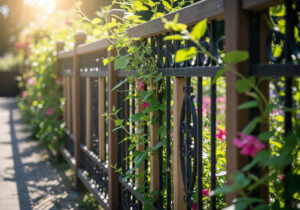
Aluminum and wrought iron fencing provide an elegant appearance and excellent durability. These materials are often used around pools, gardens, and front yards where visibility and style are priorities.
Chain link fencing offers affordability and practicality, especially for large yards or commercial properties.
Understand Local Regulations and HOA Rules
One of the most overlooked aspects of a summer fence installation is checking local requirements before construction starts. Many municipalities have regulations regarding fence height, placement, and materials.
If you live in a neighborhood with a homeowners association, there may also be design restrictions or approval processes. Failing to follow these rules can result in fines or having to remove the fence entirely.
Before installation begins, confirm property lines and check whether permits are required. A professional fence contractor can often help guide you through this process.
Schedule Your Project Early
Summer is peak season for fence companies, which means schedules can fill up quickly. Waiting too long to book your installation may lead to extended wait times or limited material availability.
Planning ahead allows you to secure your preferred installation date and avoid delays during the busiest months of the year. Early scheduling also gives you more time to compare estimates, review designs, and prepare your property.
If your project involves custom materials or specialty designs, additional lead time may be necessary.
Consider Your Landscaping
Fence installation can impact existing landscaping features, so it is important to evaluate your yard before work begins.
Take note of trees, shrubs, flower beds, irrigation systems, and outdoor structures that may affect fence placement. In some cases, trimming vegetation or relocating landscaping features may be necessary.
You should also think about how the fence will complement your property’s appearance. A well-designed fence should blend naturally with your home and outdoor space rather than feel disconnected from the landscape.
Prepare for Weather Conditions
Although summer generally offers favorable conditions for outdoor projects, weather can still affect installation timelines. Heavy rain, extreme heat, and storms may temporarily delay work or impact ground conditions.
Planning your summer fence installation during a period of stable weather can help reduce interruptions. Dry soil often makes installation easier and can improve efficiency during post-setting and construction.
Working with an experienced contractor helps ensure your project stays on track even if weather conditions change unexpectedly.
Think About Long-Term Maintenance
Every fence requires some level of care over time. Before making a final decision, consider how much maintenance you are comfortable handling.
Wood fences may need staining, sealing, or repairs over the years. Vinyl and aluminum options typically require only occasional cleaning. Understanding maintenance expectations ahead of time can help you choose the right material for your lifestyle and budget.
Long-term durability is especially important in areas with strong sun exposure, humidity, or seasonal weather changes.
Don’t Skip Installation Prep For Your New Fence
A well-planned summer fence installation can improve privacy, security, and curb appeal while adding long-term value to your property. By carefully considering your goals, materials, local regulations, landscaping, and scheduling needs, you can avoid common issues and enjoy a smoother installation process.
Summer is an excellent time to invest in a new fence, but preparation is key. Taking the time to plan ahead will help ensure your fence looks great, performs well, and meets your needs for years to come.
Residential & Commercial Fences from Hercules Fence DC
Hercules Fence DC has been providing property owners with quality fences for over 50 years. We are well-equipped to meet your needs, whether they are residential or commercial. We have extensive experience working with families and pet owners to keep the most important members of their homes safe, so call us today about installing a new pet fence for your family. Contact us by giving us a call at 301-441-1600 or visiting us online. To see examples of our work, follow us on Facebook, Twitter, LinkedIn, Pinterest, and Flickr.